When an elevator stops working, every second counts. You don’t want to be stuck waiting for help or explaining the situation over and over. A good elevator phone monitoring service connects you directly to people who can respond quickly, day or night. It’s about making sure help arrives fast when it’s needed most.
Key Takeaways
- A reliable elevator phone monitoring service is required by law and ensures that people stuck in an elevator can reach help immediately. These systems provide a direct line to trained operators who can dispatch assistance.
- Skipping elevator phone monitoring can lead to serious problems, including legal issues, damage to your building’s reputation, and potential harm to occupants. It’s a risk that buildings cannot afford to take.
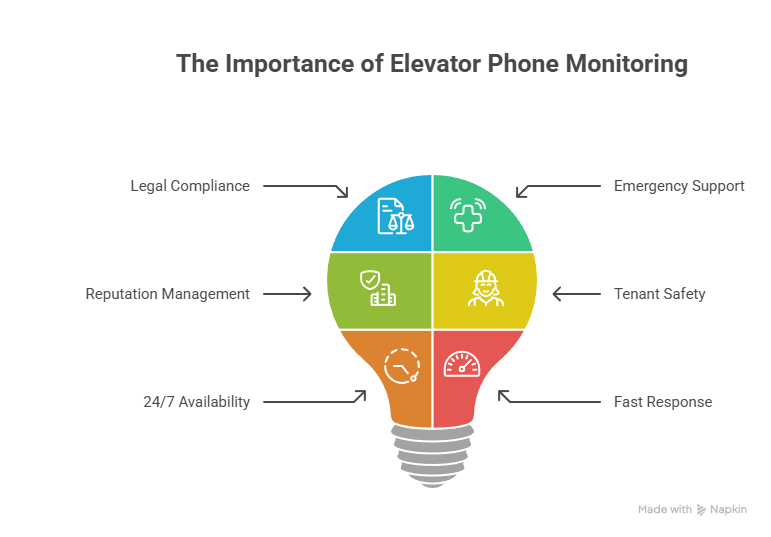
- Top buildings use proven elevator phone monitoring services because they offer 24/7 support, fast response times, and help maintain compliance with safety codes. This provides peace of mind for building owners and safety for tenants.
Trapped Tenants and Silent Alarms, Why Elevator Phone Monitoring Service Matters
Imagine this: the elevator shudders to a halt between floors. Inside, a few people are stuck. They press the emergency button, expecting a quick response. But what if that call doesn’t go through? What if the phone line is dead, or the monitoring service isn’t actually staffed 24/7? This isn’t just an inconvenience; it’s a serious safety issue. Buildings have a responsibility to ensure their elevators are safe, and that includes reliable communication when things go wrong.
Many buildings rely on basic elevator phones, but without a proper monitoring service, these phones are just a compliance checkbox. A true monitoring service means trained operators are ready to answer that call, day or night. They can talk to the trapped passengers, assess the situation, and dispatch help. This isn’t just about following rules; it’s about providing a lifeline. A silent alarm is as useless as no alarm at all.
Here’s what a good monitoring service provides:
- 24/7 Live Operators: Real people, not just an automated message, ready to respond.
- Immediate Voice Communication: Connecting trapped individuals with help right away.
- Dispatch Coordination: Getting the right emergency services or maintenance to the scene quickly.
- Location Identification: Pinpointing the exact elevator, which is vital for fast response.
Without this constant oversight, you’re leaving tenants vulnerable. A malfunctioning elevator phone can lead to prolonged entrapment, increased anxiety for passengers, and significant liability for building owners. It’s about more than just having a phone; it’s about having a connected and responsive system. This is why having a dedicated elevator emergency phone monitoring service is so important for any building that uses elevators.
Every Missed Call Costs You, The Risk of Skipping Elevator Phone Monitoring Service
When an elevator stops working, every second counts. The last thing you want is to be stuck waiting on hold or explaining the situation to multiple people before help arrives. Skipping elevator phone monitoring means you’re gambling with tenant safety and potentially facing serious consequences.
Think about it: a tenant is trapped. They press the emergency button, expecting immediate help. If the system isn’t monitored, that call might go unanswered, or worse, it might not even connect properly. This isn’t just an inconvenience; it’s a direct safety failure. A silent alarm is no alarm at all.
Here’s what can happen when you don’t have a reliable monitoring service:
- Delayed or No Response: Without 24/7 monitoring, there’s no guarantee someone is listening when the emergency button is pressed. This can lead to prolonged entrapment for passengers.
- Increased Liability: If an incident occurs and it’s found that your building’s elevator communication system was not properly monitored, your liability increases significantly. This could mean hefty fines or lawsuits.
- Failed Inspections: Many local codes and standards, like ASME A17.1, require that elevator emergency phones connect to a live operator. Failing to meet these requirements can lead to failed inspections, which can ground your elevators until fixed. Some elevator inspections in Massachusetts, for example, can fail simply due to communication issues [aa8b].
- Tenant Dissatisfaction and Loss: A building that doesn’t prioritize safety and communication will quickly gain a reputation. Unhappy tenants are more likely to move out, and attracting new ones becomes harder.
Using outdated phone lines or relying on a system that isn’t actively watched is a risk that most building managers can’t afford. Modern solutions, like cellular-based systems [0883], offer a more dependable way to keep those lines of communication open. It’s about more than just compliance; it’s about providing a basic level of security for everyone who uses your elevators.
Turn Emergencies Into Action Fast With Elevator Phone Monitoring Service
When an elevator stops working, every second counts. The last thing anyone wants is to be stuck waiting, unsure if help is even on the way. This is where a reliable elevator emergency phone service makes a real difference. It’s not just about having a button to press; it’s about connecting people in distress directly to trained professionals who can act quickly.
Think about it: an elevator gets stuck between floors. Power might be out, or there could be a medical issue inside. Without proper monitoring, the occupants might only have a silent alarm, or worse, no way to communicate at all. A dedicated elevator phone monitoring system, however, initiates a two-way voice connection the moment the emergency button is pressed. This connection goes straight to a 24/7 monitoring center, like the ones offered by Group One Safety & Security.
Here’s how it speeds things up:
- Immediate Connection: The call bypasses general phone lines and goes directly to operators trained for these specific situations.
- Situation Assessment: Operators can talk to the trapped individuals, understand the problem, and offer reassurance.
- Rapid Dispatch: Based on the assessment, they can immediately dispatch the right help – whether it’s building maintenance, elevator technicians, or emergency services like 911.
- Location Pinpointing: The system often identifies the elevator’s exact location, so responders don’t waste time searching.
This isn’t just about convenience; it’s about safety and meeting code requirements. Many regulations, like ASME A17.1, mandate these communication systems. A system that doesn’t work when needed isn’t just a failure; it’s a liability. Having a service that actively monitors and responds means you’re not just compliant, you’re actively protecting your tenants and visitors. It transforms a potentially frightening situation into a managed event, getting people out of harm’s way much faster. For buildings that prioritize occupant safety, this level of responsiveness is non-negotiable, and services like IACallCenter ‘s 24/7 monitoring are designed for this exact purpose.
A properly functioning elevator emergency phone system acts as a direct lifeline, turning a moment of panic into a coordinated response. It ensures that help is not only available but also arrives efficiently, minimizing distress and potential risks for everyone involved.
Why Top Buildings Rely on a Proven Elevator Phone Monitoring Service

When you’re managing a significant building, whether it’s a bustling apartment complex or a busy office tower, you learn pretty quickly that reliability is key. That’s why so many leading property managers and building owners choose to hire elevator monitoring service. It’s not just about having a phone in the elevator; it’s about having a direct, dependable line to help when it’s needed most. These top-tier buildings understand that a silent alarm or a missed call in an elevator emergency can have serious consequences, both for tenant safety and for the building’s reputation.
They rely on proven elevator phone monitoring providers because these services offer more than just basic communication. They provide a constant connection to trained professionals who can assess situations, offer immediate reassurance to trapped passengers, and dispatch the right help quickly. This level of service is what separates good building management from great building management. It’s about proactive safety and peace of mind for everyone who uses the elevators.
Here’s what makes these services stand out:
- 24/7 Live Operator Support: Real people are always available, day or night, to answer calls. They don’t rely on automated systems that can sometimes fail.
- Rapid Response Coordination: Operators are trained to quickly gather information and dispatch technicians or emergency services, minimizing wait times.
- Code Compliance: These systems meet strict industry standards, like ASME and ADA requirements, keeping buildings compliant and safe.
- System Health Checks: Many providers perform regular automated tests to ensure the elevator phone is always working correctly, often notifying you of any issues before they become critical.
Investing in a robust elevator phone monitoring solution isn’t an expense; it’s a critical component of responsible building management. It demonstrates a commitment to the safety and well-being of all occupants.
These advanced elevator phone monitoring solutions often integrate with other building safety systems, providing a unified approach to security and emergency response. For buildings that can’t afford downtime or risk, these comprehensive elevator phone monitoring systems are simply a non-negotiable part of their operational strategy. It’s about ensuring that every call for help is answered, every time, without fail. This is why many buildings have transitioned to modern solutions, moving away from older phone lines to more cost-effective and reliable options like cellular replacements.
Don’t Risk Another Incident, Upgrade to Elevator Phone Monitoring Service Today
Look, nobody wants to think about the worst happening, right? But when it comes to elevators, ignoring the need for a reliable monitoring service is just asking for trouble. We’ve talked about why it matters, the risks of skipping it, and how it speeds up emergency responses. Now, let’s get down to brass tacks: it’s time to make the switch.
Think about it. An elevator phone isn’t just a convenience; it’s a lifeline. When someone is trapped, that call needs to go through, no questions asked. Relying on outdated systems or no system at all is a gamble you can’t afford to lose. Upgrading to a professional elevator phone monitoring service means you’re not just complying with regulations, you’re actively protecting the people in your building.
Here’s what a good service provides:
- 24/7 Live Operator Support: Real people, not just automated messages, are ready to help anytime, day or night.
- Rapid Dispatch: Trained operators know exactly what to do to get help on the way fast, whether it’s maintenance or emergency services.
- Code Compliance: Services ensure your elevator phones meet all the necessary building codes and standards, like ASME and ADA requirements.
- Reliable Connection Options: Whether you use analog, cellular, or VoIP, a good service can monitor it and even help you upgrade if needed.
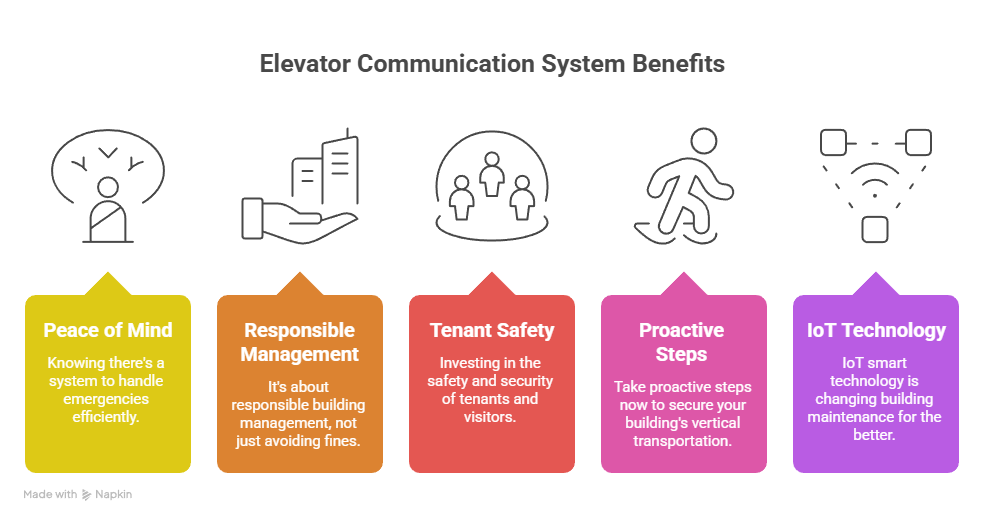
It’s about peace of mind. Knowing that if the unthinkable happens, there’s a system in place to handle it efficiently. This isn’t just about avoiding fines; it’s about responsible building management. You want to be sure that your elevator communication systems are always functional and ready when needed, which includes regular testing and automated health checks. Investing in this service is a direct investment in the safety and security of your tenants and visitors. Don’t wait for an incident to happen; take proactive steps now to secure your building’s vertical transportation. Consider how IoT smart technology is also changing building maintenance for the better, complementing these safety measures.
Final Thoughts
So, when it comes down to it, having a good elevator phone monitoring service is pretty important for any building. It’s not just about following the rules, though that’s a big part of it. It’s really about making sure people are safe if something goes wrong. These systems give folks a direct line to help when they’re stuck, and that peace of mind is worth a lot. Plus, with services that offer 24/7 monitoring and quick response, you know that help is always just a call away, no matter the time of day. It just makes good sense to have that reliable connection in place.
Frequently Asked Questions
What exactly is an elevator phone monitoring service?
An elevator phone monitoring service is like having a watchful friend for your building’s elevators. It makes sure that if someone gets stuck inside an elevator and uses the emergency phone, their call is immediately answered by a real person. This person can then quickly get help, like sending a maintenance worker or emergency services, to rescue the trapped passengers. It’s a crucial safety feature that ensures help arrives fast when it’s needed most.
Why do elevators need this special phone monitoring?
Elevators can sometimes stop working unexpectedly due to power outages or mechanical issues. When this happens, people inside can feel scared and alone. The emergency phone is their only way to call for help. Laws and safety rules say these phones must connect to a live operator all the time, 24/7. This monitoring service makes sure that connection is always working, so no one is ever left stranded without a way to get assistance. It’s all about keeping people safe and following important rules.
How does this service help buildings and their owners?
This service offers peace of mind for building owners and managers. It helps prevent dangerous situations from becoming worse by ensuring quick responses. Plus, it keeps the building in line with safety rules and regulations, avoiding fines or legal problems. By having a reliable monitoring service, buildings show they care about their tenants’ safety and security, which can also make the building more attractive to renters or buyers. It’s a smart way to protect everyone and the property.