Elevator phone solutions are a big deal when it comes to keeping people safe and making sure buildings follow the rules. These aren’t your average phones; they’re special lines of communication meant for emergencies. When someone gets stuck or something goes wrong in an elevator, these phones are the quickest way to get help. Making sure these systems are set up right and work all the time is super important for building owners and anyone who uses elevators.
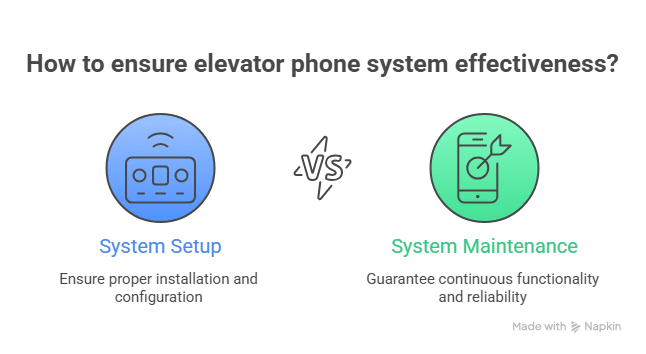
Key Takeaways
- Modern elevator phone solutions speed up emergency responses and make them more reliable, often using cellular or VoIP tech instead of old landlines.
- Choosing a full-service provider for elevator phone solutions means getting expert installation, ongoing support, and 24/7 monitoring, which is key for safety and compliance.
- Regular monitoring and proper maintenance of elevator phone solutions are vital for passenger safety and avoiding costly fines for non-compliance with building codes and regulations like the ADA.
How Modern Elevator Phone Solutions Improve Emergency Response Time and Reliability
When someone gets stuck in an elevator, every second counts. That’s where modern elevator emergency phone system technology really makes a difference. Older systems might have been basic, but today’s solutions are designed for speed and dependability.
These advanced systems connect passengers directly to help, bypassing the need to dial and ensuring a clear line of communication. They often use cellular or Voice over Internet Protocol (VoIP) connections, which are generally more reliable than traditional landlines, especially during power outages. Many are equipped with backup batteries, keeping them operational when the building’s power is out. This means that even if the lights go off, the ability to call for help remains.
Here’s how they speed things up:
- Instant Connection: No dialing required. Pressing the emergency button immediately sends an alert.
- Location Identification: The system automatically transmits the elevator’s exact location to responders, so they know where to go without delay.
- Clear Communication: Advanced audio processing filters out background noise, making it easier for passengers and responders to understand each other.
The reliability of these systems is paramount. When an emergency occurs, passengers need to trust that their call for help will be received and acted upon swiftly. Modern solutions are built with this trust in mind, incorporating features that minimize failure points and maximize communication effectiveness.
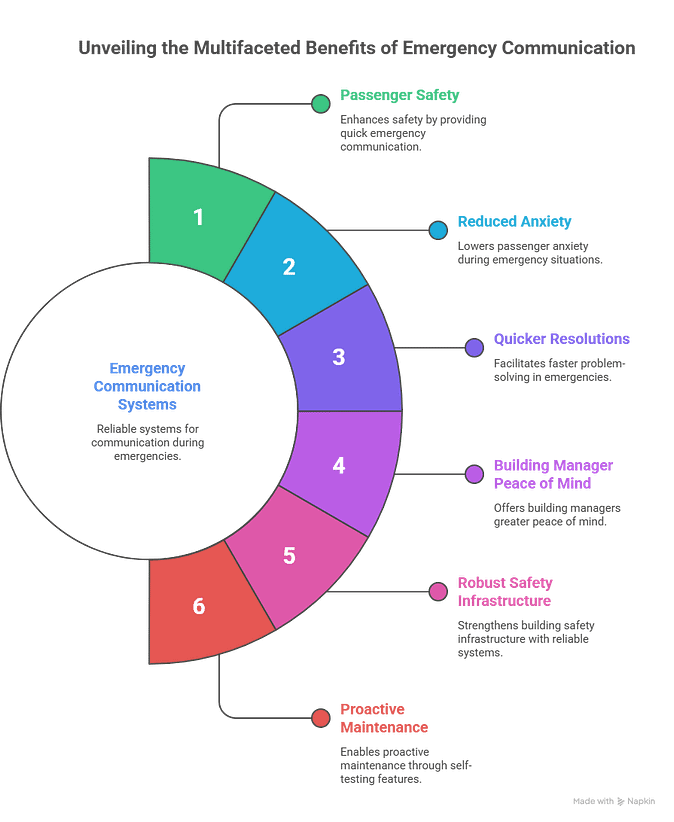
This improved responsiveness is not just about convenience; it’s a critical safety feature. Having a dependable way to communicate during an emergency can significantly reduce passenger anxiety and lead to quicker resolutions. For building managers, this means better peace of mind and a more robust safety infrastructure. You can find more information on reliable emergency support by looking into Kings III elevator monitoring.
These systems are designed to be robust, often featuring self-testing capabilities to alert maintenance teams to any issues before an emergency happens. This proactive approach helps maintain the reliability that passengers depend on.
Evaluating Elevator Phone Solutions from a Full-Service Installation and Support Provider
When looking into elevator phone solutions, it’s smart to consider working with a full-service elevator phone service provider. This kind of company handles everything from the initial setup to ongoing support, which can save you a lot of hassle. They understand the technical requirements and the regulations that apply to these systems. Choosing a provider that offers end-to-end services means you have one point of contact for all your elevator communication needs.
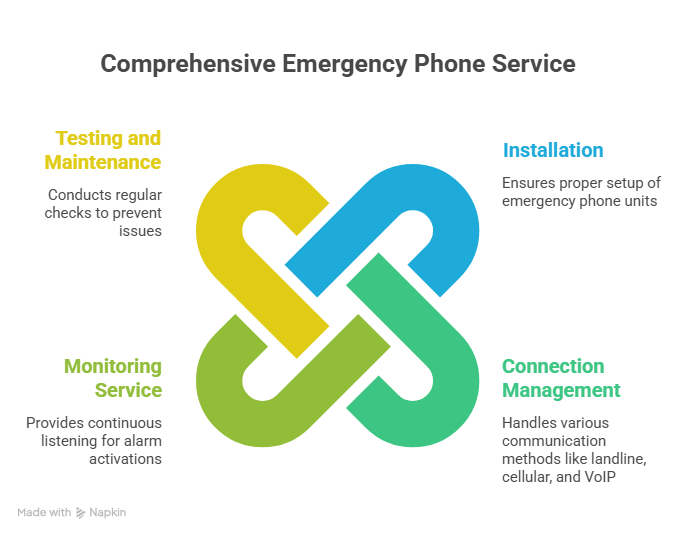
What does a full-service provider actually do? They typically manage the installation of the emergency phone units, making sure they meet all safety codes. This includes setting up the connection, whether it’s a traditional landline, cellular, or VoIP system. Beyond installation, they provide the monitoring service, which is key for emergency response. This means someone is always listening when the alarm button is pressed. They also handle regular testing and maintenance to keep the system in good working order. This proactive approach helps prevent issues before they become serious problems.
Here’s a breakdown of what to expect:
- Installation: Professional setup of the emergency phone, ensuring it’s correctly wired and tested.
- Monitoring: 24/7 oversight of the system, with trained staff ready to respond to calls.
- Maintenance: Regular checks and upkeep to guarantee the phone is always functional.
- Compliance: Keeping the system up-to-date with all relevant building codes and regulations.
When you partner with a provider, you’re not just purchasing equipment—you’re investing in a safety-focused service. They can help you avoid the headaches of failed inspections and ensure your passengers have a reliable way to call for help. For building owners and facility managers, this support removes operational burdens and frees time for overall property management. A good provider will also offer clear reporting on system status and any maintenance performed, giving you peace of mind. For more on how these services work, you can look into medical answering services.
Selecting the right elevator phone service provider involves looking at their track record, the technology they use, and their commitment to customer support. A provider that offers transparent pricing and clear communication about their services is usually a good sign. They should be able to explain the technical aspects in simple terms and demonstrate how their system will keep your building compliant and your passengers safe.
Why 24/7 Elevator Phone Solutions Monitoring Is Essential for Passenger Safety
When an elevator stops working unexpectedly, especially with people inside, it can be a really stressful situation. That’s where having a reliable elevator phone monitoring service comes into play. These systems aren’t just a button to push; they’re a direct line to help when it’s needed most. Constant monitoring means that if someone gets stuck, help can be dispatched much faster.
Think about it: an elevator phone needs to work every single time it’s used in an emergency. Without 24/7 monitoring, you’re relying on chance. A system might seem fine during the day, but what happens at 3 AM when a power flicker or a technical glitch occurs? A dedicated elevator phone monitoring service is always on duty, checking the system’s status and ready to act.
Here’s why this round-the-clock watch is so important:
- Immediate Response: When the emergency button is pressed, a 24/7 monitoring center is alerted instantly. They can assess the situation and coordinate with building management or emergency services.
- System Checks: Monitoring services often perform regular, automated tests on the elevator phone. This helps catch potential problems before they become critical failures.
- Compliance Assurance: Many regulations require that elevator emergency phones are functional and tested. Continuous monitoring helps meet these requirements, avoiding potential fines or inspection failures.
- Reduced Downtime: By identifying issues early, monitoring can help prevent longer elevator outages, which are inconvenient and can impact building operations.
Relying solely on the elevator’s built-in diagnostics isn’t enough. With professional monitoring, you gain an additional security layer and peace of mind that the system will respond anytime, 24/7. This proactive approach is key to passenger safety and operational reliability.
This level of oversight is what separates a basic safety feature from a robust emergency communication plan. It’s about making sure that when the unexpected happens, passengers have a reliable way to connect with assistance, and that help is ready to respond without delay. Understanding emergency phone codes and their jurisdiction is a key part of this process for success in the elevator industry.
Having functional elevator emergency phones is a simple yet vital step for elevator owners to enhance safety and provide peace of mind for passengers.
Breaking Down Elevator Phone Solutions Costs: Installation, Monitoring, and Maintenance
When thinking about the total elevator phone system cost, it’s important to look beyond just the initial purchase. There are three main areas that contribute to the overall expense: installation, ongoing monitoring, and regular maintenance. Each of these plays a role in keeping your elevator compliant and your passengers safe.
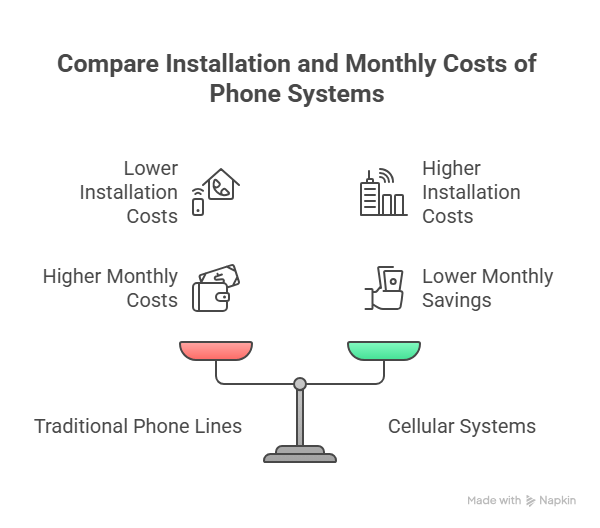
Installation costs can vary quite a bit. If you’re replacing an old analog line with a new cellular system, for example, the hardware itself might be a significant upfront investment. This includes the emergency phone unit, any necessary wiring, and the cellular modem. However, many modern solutions are designed for simpler installation, potentially reducing labor costs.
Some providers offer fixed cellular solutions that can deliver substantial monthly savings versus traditional phone lines.
Monitoring is where a large part of the ongoing expense lies. Most elevator phone systems are connected to a 24/7 monitoring center. Staffed by experienced professionals, these centers manage emergency calls, dispatch help, and coordinate response with building management. The fee for this service covers the constant readiness and rapid response capability, which is vital for passenger safety and regulatory compliance.
Maintenance is another factor to consider. This includes:
- Regular system checks to ensure the phone is working correctly.
- Testing the backup power supply.
- Software updates for the communication system.
- Physical inspections of the phone unit and wiring.
While some providers bundle maintenance into their monitoring fees, others charge separately. It’s wise to clarify what’s included. Ignoring maintenance can cause the system to fail, undermining safety and potentially leading to expensive regulatory penalties.
Here’s a general breakdown of potential costs:
| Cost Component | Typical Range (Estimate) | Notes |
|---|---|---|
| Installation | $500 – $2,500+ | Varies by system type (analog, cellular, VoIP) and building complexity. |
| Monthly Monitoring | $30 – $100+ | Depends on the service provider and features offered. |
| Annual Maintenance | $100 – $500+ | Includes testing, inspections, and minor repairs. |
Understanding these cost components helps in budgeting effectively. It’s not just about the sticker price; it’s about the long-term investment in safety and compliance. A higher initial investment in a reliable system can deliver long-term savings and fewer issues.
When shopping for elevator phone solutions, request a transparent breakdown of all upfront and ongoing costs. This level of transparency ensures you can make a smart decision and avoid surprise expenses in the future.
Common Elevator Phone Solutions Compliance Risks and How to Avoid Costly Violations
Failing to meet elevator phone compliance standards can lead to significant headaches and unexpected expenses. Building owners and managers often overlook the specific regulations governing these emergency communication devices, which can result in failed inspections and hefty fines. Staying on top of these requirements is not just about avoiding penalties; it’s about passenger safety.
One common pitfall is outdated technology. Older analog phone lines might not meet current standards for reliability or may be phased out by telecommunication companies. Modern elevator phones often utilize cellular or VoIP technology, offering more robust communication pathways. It’s important to ensure your system is not only functional but also uses a connection method approved by current codes. You can find more information on these requirements by looking into elevator phone compliance.
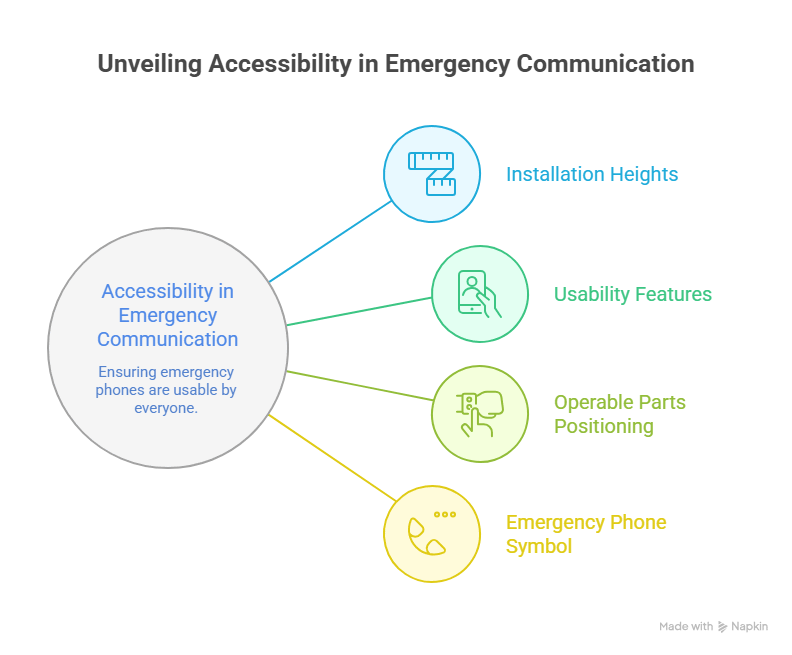
Accessibility is another major compliance area. Regulations, like those stemming from the Americans with Disabilities Act (ADA), dictate specific installation heights and usability features. For instance, operable parts must be positioned correctly, and the emergency phone symbol must be clearly displayed. These details are critical for ensuring that anyone, regardless of physical ability, can use the phone in an emergency. The emergency phone symbol and height requirements are clearly defined to aid in this.
Here are some key areas to focus on to avoid compliance issues:
- Regular Testing: Implement a schedule for routine testing of the elevator phone system. This includes checking the two-way communication, backup power, and connection to the monitoring center.
- Documentation: Keep thorough documentation of every inspection, maintenance task, and test performed on the elevator phone system for audit purposes.
- Up-to-Date Technology: Periodically review your elevator phone system to ensure it uses current technology and meets all applicable building codes and safety standards.
- Monitoring Service: Confirm that your monitoring service is operational 24/7 and capable of receiving and responding to calls promptly.
The impact of non-compliance goes far beyond penalties. It can lead to liability issues if an emergency situation arises and the communication system fails. Proactive management and regular system checks are the best defense against these risks.
Ignoring these aspects of elevator phone solutions can turn a minor oversight into a major compliance problem. Ongoing inspections and system updates are key to ensuring a safe, compliant elevator system.
Are you worried about breaking rules with your elevator phone setup? Many businesses face fines for not following the latest standards. We can help you understand these rules and set up a system that keeps you safe and compliant. Visit our site now to discover how we can help prevent costly compliance penalties.
Final Thoughts on Elevator Safety Phones
So, we’ve talked about why these elevator phones are a big deal. They’re not just a button to push; they’re a direct line for help when someone’s stuck or something goes wrong. Making sure they work right is a legal thing, too, with rules from places like the ADA. Whether it’s an old-school landline or a newer cell setup, the main goal is always the same: get help fast. Keeping up with the tech and the rules might seem like a chore, but it’s really about making sure everyone stays safe when they ride the elevator. It’s one of those things you hope you never need, but you’re really glad it’s there if you do.
Frequently Asked Questions
What are the main reasons elevator phones are required?
Elevator phones are a must-have because of building rules and laws like the Americans with Disabilities Act (ADA). These rules ensure that people can get help quickly if something goes wrong. The phones need to be easy to use, work even if the power goes out, and be accessible for everyone, including those with hearing difficulties.
How do elevator emergency phones connect to help?
When you press the emergency button, the call usually goes to a special 24/7 monitoring center. These centers are staffed by trained personnel who handle emergencies and can dispatch firefighters or paramedics.. Sometimes, the call might go straight to building security or directly to emergency services. If the first place doesn’t answer, the system can try calling another number.
What is the difference between older and newer elevator phone systems?
Older elevator phones often use regular phone lines, like the ones in homes. Newer systems are more advanced and frequently use cell phone signals, which can